A Scientific and Evidence-Based Approach
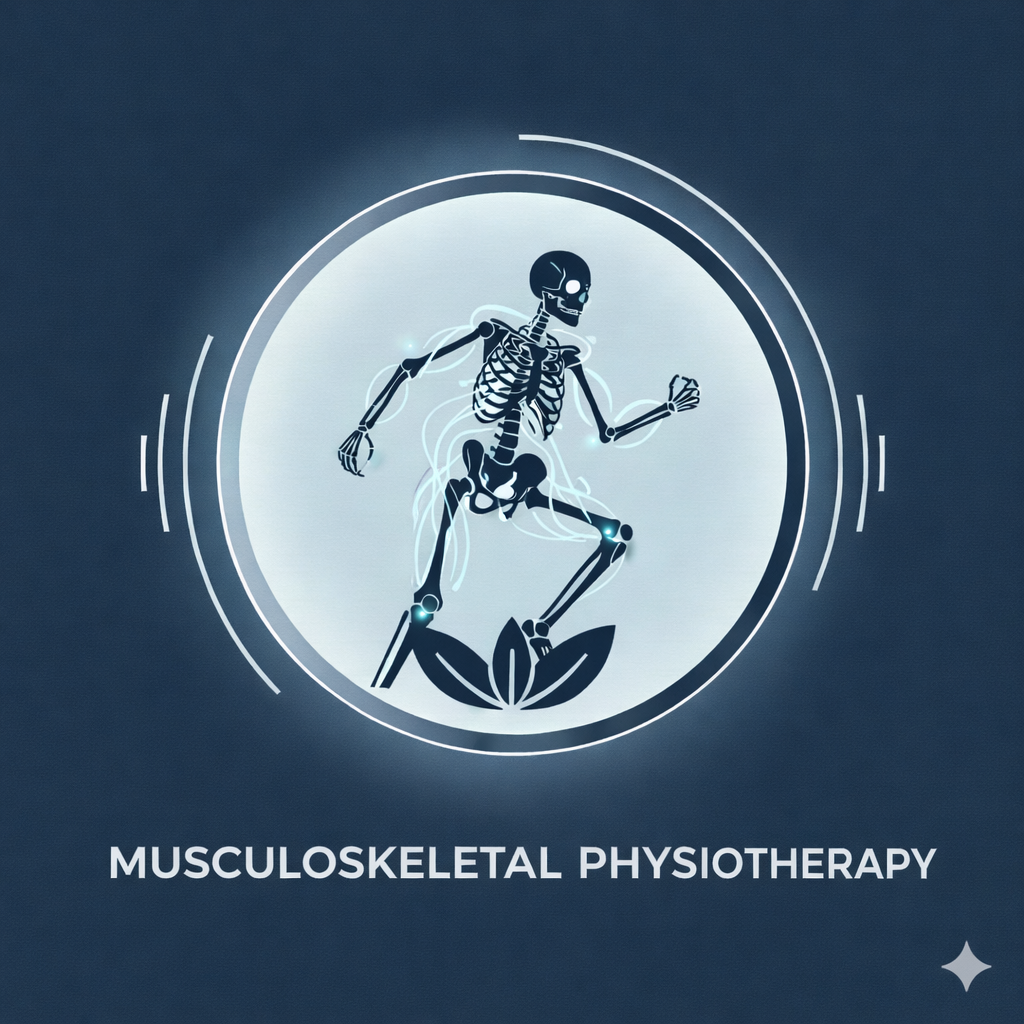
From a scientific perspective, musculoskeletal physiotherapy is based on the principles of movement science, biomechanics, and tissue adaptation. Pain and dysfunction often result from a combination of mechanical stress, altered movement patterns, and changes in how the nervous system processes load and pain.
Physiotherapy interventions are guided by evidence-based concepts such as:
This approach ensures that treatment is safe, effective, and tailored to the individual.
What Does Musculoskeletal Physiotherapy Involve?
Musculoskeletal physiotherapy begins with a thorough assessment to identify movement limitations, strength deficits, and contributing factors to pain or dysfunction. Based on this evaluation, a personalized treatment plan is developed. Treatment may include:
The focus is always on restoring functional and efficient movement.
Examples of Musculoskeletal Physiotherapy Applications
Musculoskeletal physiotherapy is commonly used for conditions such as:
Programs are adapted to both acute injuries and long-standing conditions.
Benefits of Musculoskeletal Physiotherapy
Musculoskeletal physiotherapy supports recovery and long-term physical health. Key benefits include:
Patients are supported throughout the recovery process with clear guidance and education.
A Long-Term Approach to Movement and Health
Musculoskeletal physiotherapy is not only about short-term pain relief. It helps individuals develop stronger, more efficient movement patterns that support long-term physical well-being. By combining rehabilitation, movement education, and active participation, musculoskeletal physiotherapy promotes sustainable health and an active lifestyle.