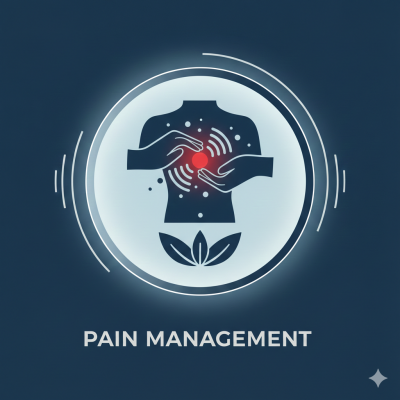
What is Pain Management?
Pain Management is a comprehensive physiotherapy approach aimed at helping people understand, reduce, and better manage pain, especially when pain becomes persistent or recurrent. Rather than focusing only on the site of pain, pain management addresses how the body, nervous system, and lifestyle factors interact to influence pain perception.
Pain is not only a physical sensation but a complex experience influenced by biological, psychological, and social factors. Effective pain management takes all these aspects into account.
Pain Management from a Scientific Perspective
From a scientific point of view, pain management is based on modern pain science and the biopsychosocial model. Research shows that pain does not always correlate directly with tissue damage and that the nervous system plays a central role in how pain is experienced.
Key scientific principles include:
Central and peripheral nervous system modulation
Pain education and reconceptualization
Graded exposure to movement and activity
Reduction of fear, avoidance, and hypersensitivity
Physiotherapy-led pain management aims to calm an overprotective nervous system, improve movement confidence, and gradually restore normal function.
What Does Pain Management Address?
Pain management is commonly used for:
Chronic or persistent pain
Recurrent back, neck, or joint pain
Pain without clear structural damage
Post-injury or post-surgical pain
Pain associated with movement fear or stiffness
Stress-related or tension-related pain
It is suitable for both acute and long-standing pain conditions.
Benefits of Pain Management
Pain management offers several important benefits:
Reduction in pain intensity and frequency
Improved understanding of pain mechanisms
Increased confidence in movement
Reduced fear and avoidance behaviors
Improved daily function and quality of life
Long-term self-management strategies
By changing the way pain is understood and approached, patients often experience meaningful and lasting improvements.
An Active and Empowering Approach
Pain management is not about passive treatments alone. A key component is patient education, helping individuals understand what pain means and how their body responds to stress, movement, and load.
Treatment may include:
Improved daily function and quality of life
Therapeutic and graded exercise
Manual therapy when appropriate
Breathing and relaxation strategies
Lifestyle and activity modification
The goal is to empower patients with tools they can use independently.
Pain Management for Long-Term Results
The ultimate goal of pain management is not just pain relief, but long-term resilience. Patients learn how to safely move, gradually increase activity levels, and manage flare-ups without fear.
Pain management is most effective when integrated into a broader physiotherapy plan that supports physical health, mental well-being, and sustainable movement habits.