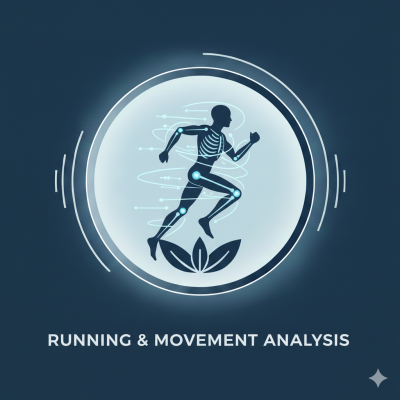
What is Running & Movement Analysis?
Running & Movement Analysis is a physiotherapy-based assessment that evaluates how the body moves during running and other functional movements. It focuses on identifying inefficient movement patterns, biomechanical overloads, and coordination deficits that may contribute to pain, injuries, or reduced performance.
The analysis goes beyond observing isolated body parts and looks at the body as an integrated system, where joints, muscles, and the nervous system work together to produce movement.
Running & Movement Analysis from a Scientific Perspective
From a scientific perspective, running and movement analysis is grounded in:
Biomechanics of human movement
Motor control and neuromuscular coordination
Load management and tissue adaptation
Kinematic and kinetic analysis
During running, repetitive forces act on the body thousands of times. Small inefficiencies in movement patterns can lead to excessive stress on specific tissues over time. Movement analysis helps identify these patterns and guide targeted interventions to optimize load distribution and reduce injury risk.
Scientific research supports the use of movement analysis to inform individualized rehabilitation and performance programs, especially when combined with strength training, mobility work, and technique refinement.
What Does Running & Movement Analysis Assess?
Depending on the individual, analysis may include:
Running technique and gait mechanics
Joint mobility and alignment
Muscle strength and activation patterns
Coordination and timing of movement
Balance and stability during dynamic tasks
The assessment is tailored to the person's sport, activity level, and goals.
Benefits of Running & Movement Analysis
Running & movement analysis provides several important benefits:
Identification of movement inefficiencies and overloads
Reduced risk of overuse injuries
Improved running economy and efficiency
Support for injury recovery and return to sport
Enhanced performance and movement quality
Increased awareness of individual movement patterns
It is valuable both for injured individuals and for those who want to optimize performance and prevent future problems.
A Personalized and Objective Evaluation
Each assessment is performed through structured observation and, when appropriate, video analysis. This allows for an objective evaluation of movement patterns and provides clear feedback to the individual.
Based on the findings, a personalized plan may include:
Targeted strength and conditioning exercises
Mobility and flexibility work
Load and training management strategies
The goal is not to "force" a perfect running style, but to help the body move more efficiently and sustainably.
Running & Movement Analysis as Part of a Complete Program
Running & movement analysis is most effective when integrated into a broader physiotherapy or performance program, including:
Manual therapy when needed
Postural and movement re-education
Gradual progression of training loads
This comprehensive approach supports safer movement, better performance, and long-term results.